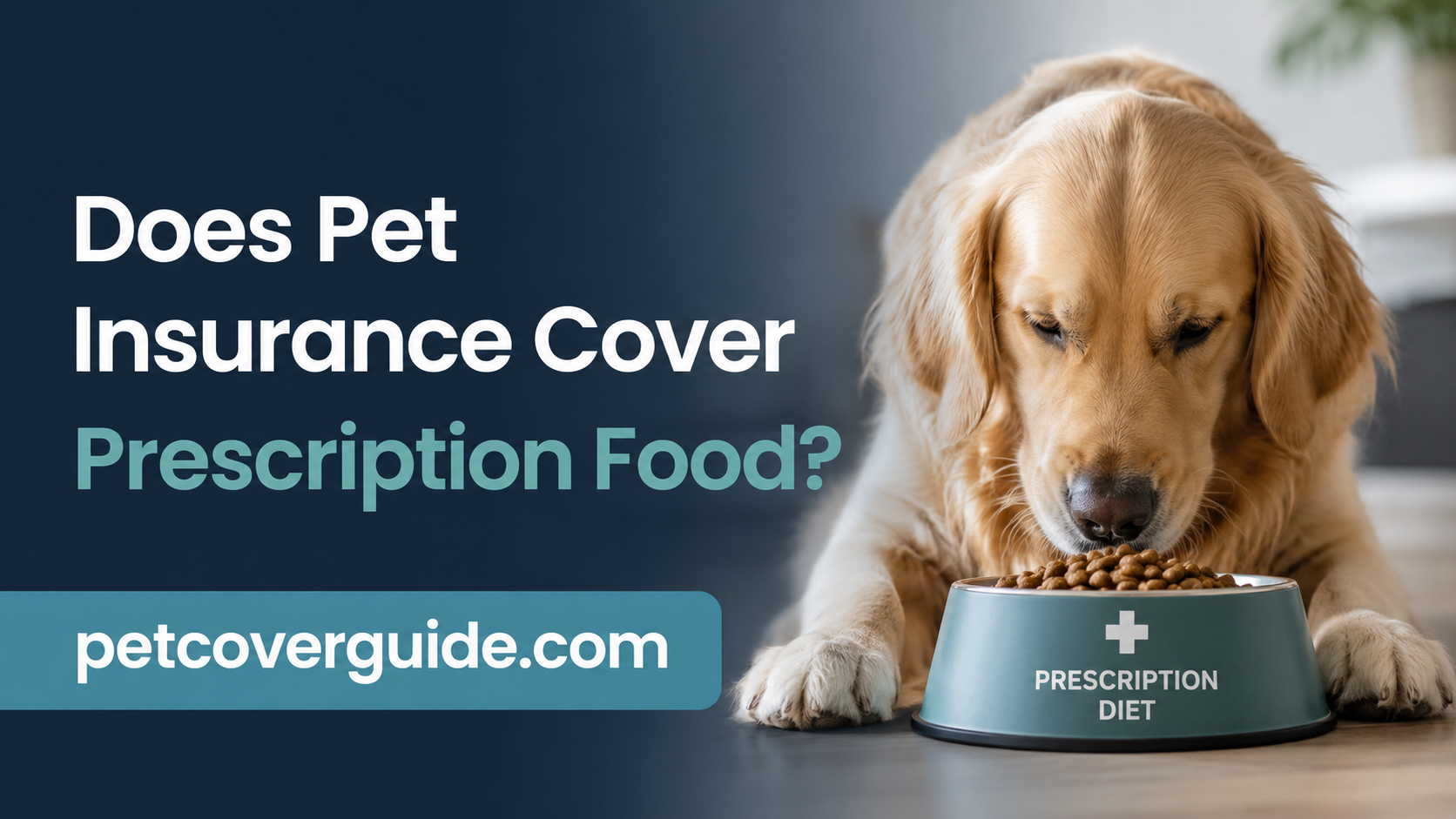
Does Pet Insurance Cover Prescription Food?
If your vet just put your dog or cat on a prescription diet like Hill’s k/d or Royal Canin Urinary SO, you already know these specialty foods can cost $50–$150+ per month.
Most standard accident-and-illness pet insurance plans do NOT cover prescription food.
But a handful of insurers, notably Trupanion and MetLife Pet Insurance, include it in their base plans. Others offer partial reimbursement through optional wellness riders.
KEY HIGHLIGHTS
- Only a few insurers cover prescription pet food
- Prescription food is NOT the same as prescription medication
- Pre-existing conditions are the #1 reason prescription food claims get denied.
- Enrolling before any diagnosis is critical to avoid exclusions later.
Which Pet Insurance Companies Cover
Trupanion covers prescription pet food under its standard medical plan for all eligible conditions. No wellness rider needed. That makes it the easiest recommendation if this coverage matters to you.
MetLife Pet Insurance also reimburses prescription food and supplements under its standard dog and cat plans.
Nationwide Pet Insurance covers it too, but only through its Whole Pet with Wellness plan. Premiums on that tier can exceed $100/month for dogs.
Now for the insurers that don’t include it in base plans. Healthy Paws offers no coverage and no wellness add-on option.
Lemonade Pet Insurance excludes it from its base plan (check their preventive care package for any partial benefit). ASPCA Pet Insurance and Pets Best only offer it through optional wellness riders with low annual caps.
Prescription Food vs. Prescription Medication
This trips up a lot of pet owners. Many plans cover prescription medications like antibiotics, pain meds, and insulin.
But they explicitly exclude prescription diets. The word “prescription” doesn’t mean the same thing across product categories in policy language.
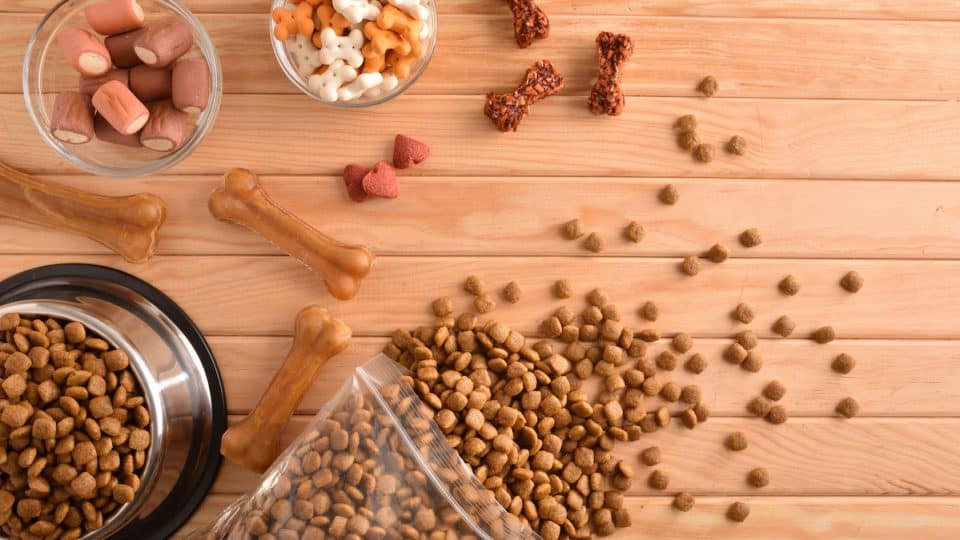
Your plan might reimburse a $200 prescription medication but deny a $60 bag of Hill’s Prescription Diet. The exclusion targets the product type (food), not its prescription status.
Common Conditions
Vets commonly prescribe therapeutic diets for six main conditions:
- Chronic kidney disease (CKD): e.g., Hill’s Pet Nutrition, Royal Canin
- Urinary tract issues (FLUTD in cats): e.g., Hill’s c/d, Royal Canin Urinary SO
- Food allergies & sensitivities: hydrolyzed protein diets like Hill’s z/d
- Obesity management: weight-control prescription diets
- Diabetes management: glucose-control therapeutic formulas
- Gastrointestinal disorders: e.g., Hill’s i/d
Purina Pro Plan Veterinary Diets is often a more budget-friendly alternative across many of these categories.
Cats and dogs tend to need prescription food for different reasons.
Cats most commonly need it for CKD, urinary crystals, and hyperthyroidism. Dogs more often need a therapeutic diet for food allergies, pancreatitis, obesity, and urinary stones.
Cat prescription food tends to cost less due to smaller portions. But cats need it just as frequently as dogs.
Pet insurance prescription food coverage rules apply equally to both species. For a full rundown of what else pet insurance typically includes (and leaves out), you can check the complete coverage guide for 2026.
Pre-Existing Conditions
A pre-existing condition is anything showing symptoms or diagnosed before your policy start date or during the waiting period.
★ If your pet already had kidney disease or food allergies on record before enrollment, virtually every insurer will deny the prescription food claim for that condition.
Some insurers have 12–18 month look-back periods for curable conditions. But chronic conditions requiring ongoing prescription diets are almost always permanently excluded. Once it’s in the medical record, it’s too late.
Enroll your pet in a plan that covers prescription food BEFORE a chronic condition gets diagnosed.
Different Breeds
Certain breeds are predisposed to conditions requiring a prescription diet for pets. Persians are prone to kidney disease. Dalmatians get urinary stones. Bulldogs develop food allergies at high rates.
For these breeds, early enrollment is a financial strategy, not just a nice idea.
How Wellness Riders Work
If your base plan doesn’t cover prescription food, a wellness plan add-on might help. Insurers like ASPCA Pet Insurance, Pets Best, and Embrace offer optional wellness riders that may reimburse some prescription food costs.
But do the math first. Most wellness riders cost $10–$30/month ($120–$360/year) and cap annual benefits at $250–$450.
If your pet’s prescription food runs $100/month ($1,200/year), the rider only offsets a fraction.
The value tips in your favor only when you’re also using the rider for vaccines, dental cleanings, and other preventive care. If you’re trying to decide whether these add-ons make sense, see our honest assessment of pet insurance value in 2026.
Step-by-Step: Filing a Prescription Food Claim
- Get your vet to document the diagnosis and prescribe the specific diet in your pet’s medical record.
- Buy the food and save every itemized receipt.
- Submit the claim through your insurer’s app or portal with receipts plus vet records.
- Expect reimbursement based on your plan’s rate (typically 70–90%) after your deductible.
One important detail: some insurers require you to buy the food from a vet clinic, not a third-party retailer like Chewy. Check your policy’s terms before ordering online.
How to Save on Prescription Pet Food
Out-of-pocket pet food costs add up fast. Small dogs and cats typically spend $50–$80/month. Medium dogs run $70–$120/month. Large dogs hit $100–$150+ per month. For chronic conditions lasting years, you’re looking at thousands of dollars.
Here’s how to cut those costs:
★ Chewy Autoship saves 5–10% on repeat prescription food orders and often beats vet clinic pricing by 20–40%.
★ Manufacturer rebate programs from Hill’s Prescription Diet, Royal Canin Veterinary Diet, and Purina can knock off $5–$15 per bag.
★ Ask your vet about therapeutic OTC alternatives; some conditions can be managed with non-prescription veterinary diets at lower cost.
★ CareCredit or Scratchpay can help finance larger bulk orders.
★ Buy in bulk; larger bags have significantly lower per-pound costs.
If you’re shopping for a new plan specifically because you want pet insurance to cover a prescription diet, start with Trupanion or MetLife as your baseline comparison. Compare which insurers include prescription food and which don’t.
Then search every policy’s exclusions section for the terms “therapeutic diet” and “prescription food” before you commit. The best pet insurance that covers prescription food won’t help if you sign up after the diagnosis is already in your pet’s chart.