Does Pet Insurance Cover Dental? (All Types Explained for 2026)
If you want to know if pet insurance pays for dental work in 2026 then seeing what is truly included is the best start.
This breakdown shows what dental needs get paid for what prices to look for and how various plans change your payout.
Key Highlights
- By age 3, ~80% of dogs and 70% of cats show dental disease
- Standard plans cover dental accidents and illness, not cleanings
- Preventive dental care needs a wellness add-on
- Pre-existing dental issues are not covered
- Waiting period for dental illness is usually 14–30 days
TYPES OF Pet Dental Insurance
Pet dental insurance coverage in 2026 falls into three distinct categories that includes dental accident coverage, dental illness coverage, and preventive/wellness dental coverage.
Each one covers different procedures, carries different waiting periods, and lives in a different part of your policy.
Dental Accident
If your dog fractures a canine tooth chewing on an antler or your cat cracks a tooth in a fall, dental accident coverage kicks in.
This tier handles broken or fractured teeth from trauma, jaw injuries from accidents, and emergency dental procedures tied to physical incidents.
Most base pet insurance plans include this, even accident-only plans.
➤ Waiting periods are short typically 0 to 14 days after policy activation.
Reimbursement usually runs 70% to 90% after your annual deductible.
Dental Illness
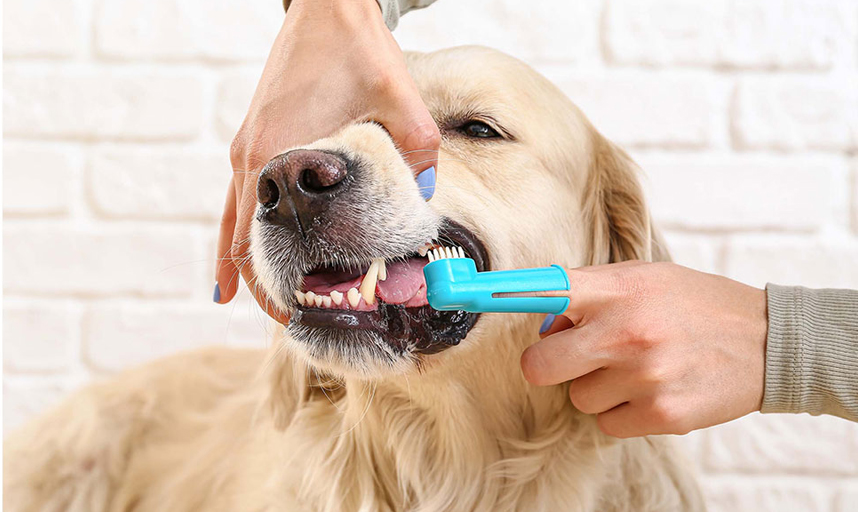
Dental illness coverage handles periodontal disease, tooth abscesses, gingivitis, stomatitis, tooth decay, and oral tumors.
It’s included in comprehensive accident-and-illness plans but NOT in accident-only plans. That distinction surprises a lot of pet owners.
➤ Waiting periods run longer here 14 to 30 days depending on your insurer.
Any periodontal disease symptoms discovered during the waiting period become pre-existing. Dental X-rays and radiographs are covered when they’re part of a diagnostic workup for a covered illness.
Preventive & Wellness Dental
Routine dental cleanings, dental exams, and sometimes preventive X-rays fall here.
This almost always requires a separate wellness add-on or Preventive Care add-on. It is not included in standard plans.
These add-ons typically cost $10 to $30 per month in 2026 but may only reimburse $50 to $150 per year toward cleanings.
A $25/month add-on costs $300 per year, but you only get $150 back for a cleaning. The add-on only makes financial sense if the other included wellness benefits close the gap.
Pet Dental Procedures
Comprehensive plans generally cover simple and surgical extractions, periodontal disease treatment, stomatitis treatment, oral tumor removal, dental X-rays for diagnosis, gingivitis treatment, and prescription medications for dental conditions.
Common exclusions
Include cosmetic dental procedures (caps, implants), endodontic services like root canals, orthodontic services, routine cleanings without an add-on, and pre-existing dental conditions.
ASPCA Pet Health Insurance’s Complete Coverage℠ explicitly excludes cosmetic dental, endodontic, and orthodontic services.
Retained deciduous (baby) teeth are a gray area. Some insurers cover the extraction as a developmental condition. Others exclude it entirely. Check your specific policy language before assuming coverage.
Average Pet Dental Procedure Costs
| Procedure | Estimated Cost Range | Typically Covered By |
|---|---|---|
| Routine dental cleaning | $300–$800 (dogs); $200–$600 (cats) | Wellness add-on only |
| Dental X-rays/radiographs | $150–$350 | Comprehensive plan (diagnostic) |
| Simple tooth extraction | $150–$600 per tooth | Comprehensive plan |
| Complex/surgical extraction | $800–$3,000+ | Comprehensive plan |
| Periodontal disease treatment | $500–$2,500+ | Comprehensive plan |
| Oral tumor removal | $1,500–$5,000+ | Comprehensive plan |
| Stomatitis treatment (cats) | $1,000–$4,000+ | Comprehensive plan |
| Root canal (endodontic) | $1,500–$3,000 | Often excluded |
Let me tell you a real-world reimbursement scenario. Your dog needs two surgical extractions totaling $2,400.
You have 80% reimbursement and a $250 annual deductible. You pay $250 (deductible) plus 20% of the remaining $2,150, which is $430. Your total out-of-pocket cost: $680. Insurance covers $1,720.
A single complex extraction can recoup years of premium payments, which is why pet insurance dental extractions coverage is such a strong financial safeguard.
Pet Insurance Dental Comparison
This side-by-side comparison covers the major providers and what each one actually includes for dental.
If you’re searching for the best pet insurance with dental coverage, this table is your starting point.
| Provider | Dental Accident | Dental Illness | Routine Cleaning | Add-On Required? | Notable Exclusions |
|---|---|---|---|---|---|
| ASPCA Pet Health Insurance | ✔ | ✖ | ✖ | No (illness/accident in base) | Cosmetic, endodontic, orthodontic, routine cleanings |
| Lemonade Pet Insurance | ✔ | ✔ | ✔ (with add-on) | Preventive Care add-on for cleanings | Pre-existing conditions |
| Nationwide Pet Insurance | ✔ | ✔ | ✔ (top-tier plan) | Included in Whole Pet with Wellness | Varies by plan tier |
| Chewy CarePlus | ✔ | ✔ | ✔(wellness plan) | Separate wellness plan | Pre-existing conditions |
| Pets Best | ✔ | ✔ | ✔ (with add-on) | EssentialWellness or BestWellness add-on | Cosmetic procedures |
| Embrace Pet Insurance | ✔ | ✔ | ✔ (with add-on) | Wellness Rewards add-on | Pre-existing, orthodontic |
| Trupanion | ✔ | ✔ | ✖ | No wellness add-on available | Routine/preventive dental, pre-existing |
| Fetch (formerly Petplan) | ✔ | ✔ | ✖ | Dental illness in base plan | Routine cleanings, cosmetic |
Nationwide’s Whole Pet with Wellness plan is one of the rare options that includes routine dental cleaning in the base plan.
Trupanion covers dental illness reliably but offers no wellness add-on at all, so you’ll never get cleaning coverage through them.
Does Dental Coverage Require a Separate Rider or Add-On?
For dental accidents and dental illnesses, the answer is usually no. Most comprehensive plans include both in the base policy. No separate rider needed.
Routine dental cleanings are a different story.
They almost universally require a wellness add-on or preventive care rider. Wellness add-on costs in 2026 typically run $10 to $30 per month with reimbursement caps of $50 to $150 per year for dental cleanings specifically.
Evaluate the full wellness package, not just the cleaning reimbursement. If the add-on also covers vaccines, annual exams, and flea/tick prevention, the combined value may justify the cost.
Waiting Periods and Pre-Existing Dental Conditions
Every pet insurer imposes a waiting period between the day your policy activates and the day coverage actually begins.
| Provider | Illness Waiting Period | Accident Waiting Period |
|---|---|---|
| ASPCA Pet Health Insurance | 14 days | Varies by state |
| Lemonade Pet Insurance | 14 days | 2 days |
| Trupanion | 30 days | 5 days |
| Embrace Pet Insurance | 14 days | 2 days |
| Pets Best | 14 days | 3 days |
The pet insurance waiting period dental rules are especially critical for dental illness. Periodontal disease is progressive.
If your vet notes any symptoms during the waiting period, even mild tartar buildup, those symptoms become pre-existing. That can result in a permanent exclusion for dental claims.
Is Pet Insurance Worth It
Pet insurance can be worth it for dental care if you have the right coverage. A single extraction costing $1,500+ or periodontal treatment around $2,000–$2,500 can easily outweigh years of premiums.
Routine cleanings alone usually don’t justify a wellness add-on unless bundled with other care.
Most comprehensive plans cover dental accidents and illnesses, but not routine cleanings. Accident-only plans exclude dental illness entirely, and pre-existing conditions are never covered, making early enrollment essential.
To maximize value, enroll your pet early, keep up with annual dental exams, and maintain regular at-home care. A quick policy check now can save you thousands later.