
Does Pet Insurance Cover Neutering?
Most pet insurance plans treat spaying and neutering as routine procedures, so standard accident and illness coverage usually does not pay for the surgery.
In 2026, coverage is commonly offered only through wellness add-ons, with limits based on waiting periods, annual caps, and enrollment timing.
Key Highlights
- Standard policies usually exclude spaying and neutering
- Wellness add-ons may cover part of the surgery cost
- Coverage often comes as a fixed allowance
- Waiting periods and annual limits affect claims
- Enrollment timing can determine eligibility
About pet insurance coverage
No, standard pet insurance usually does not cover neutering.
If you are asking Does Pet Insurance Cover Neutering?, the short answer in 2026 is that a basic accident and illness policy usually excludes it because it is considered routine veterinary care.
What may help is a wellness plan or preventive care add-on.
Those optional benefits can include spay and neuter coverage, often up to a set dollar amount each year rather than through normal accident claim reimbursement.
Does pet insurance cover spaying too?
Usually no. The same rule that applies to neutering also applies to spaying. Base policies generally exclude routine sterilization, while routine care coverage may help if you bought the right add-on before the procedure.
Why neutering is usually excluded
Most pet insurance plans are built for the unexpected.
Base Policy
They are designed to help pay for broken bones, ear infections, swallowed objects, cancer treatment, and other accidents or illnesses. Routine sterilization does not fit that model.
★ That is why neutering is often listed under an elective procedure exclusion or routine-care exclusion.
Both MetLife Pet Insurance and Chewy explain that standard policies generally do not include elective spay and neuter surgery.
Elective, preventive, or medically necessary
Elective neutering is usually excluded from a base policy.
Preventive neutering may be reimbursed through a wellness plan or preventive care add-on.
Medically necessary reproductive surgery is different, and it may be considered under illness coverage if it treats a covered diagnosis.
That distinction matters.
If your vet removes reproductive tissue because of a covered illness, your claim may be processed under covered vs excluded services rules tied to the diagnosis code, not just the surgery name.
Your insurer will still review the chart, the invoice, and any pre-existing condition exclusion.
Wellness plan vs preventive care add-on
An accident and illness policy usually covers treatment for sudden injuries and diagnosed illnesses.
A wellness plan or preventive care add-on is where you usually find help for routine veterinary care like vaccines, exams, microchipping, and sometimes spay and neuter.
| Service | Usually covered by accident and illness policy? | Usually covered by wellness add-on? |
|---|---|---|
| Neutering | No | Sometimes, with a fixed allowance or scheduled benefit |
| Spaying | No | Sometimes, with a fixed allowance or scheduled benefit |
| Vaccines | No | Often yes |
| Annual wellness exam | No | Often yes |
| Microchipping | No | Sometimes yes |
| Dental cleaning | No, unless tied to covered illness or injury | Sometimes yes |
This is the easiest way to think about it. Unexpected care goes through insurance. Planned routine care often goes through a wellness package.
How reimbursement usually works
Many people expect a wellness claim to work like an accident claim.
It often does not. Instead of using your annual deductible, reimbursement percentage, and policy limits, many routine-care benefits use a fixed annual allowance or a schedule of benefits.

★ That means your insurer may reimburse up to a set amount, such as $100 or $150 for spay and neuter, even if your vet bill is higher.
Your claim reimbursement is usually based on the scheduled benefit, not a 70 percent, 80 percent, or 90 percent payout formula.
How much does neutering cost in 2026?
Typical 2026 pricing for a dog neuter is about $300 to $500, though larger dogs, older pets, and hospital-based surgeries can run much higher.
Lemonade reports that spaying or neutering a dog can range from about $250 to $2,000 depending on size, age, breed, and location.
★ Cat neutering is usually cheaper. A common range is about $200 to $300 for cats, while low-cost clinics may charge far less.
Some low-cost clinic pricing examples show cat neuter around $50 and cat spay around $80, before exam fees and pain medication.
★ Dogs usually cost more because anesthesia, monitoring, surgery time, and medication needs can increase with size and age.
Spaying also tends to cost more than neutering because it is more invasive.
Puppies, kittens, and adult pets
Puppies and kittens usually get the most value from early enrollment.
If you buy pet insurance with a wellness plan before the surgery window, you may be able to use the routine-care benefit for vaccines, exams, microchipping, and sterilization in the same policy year.
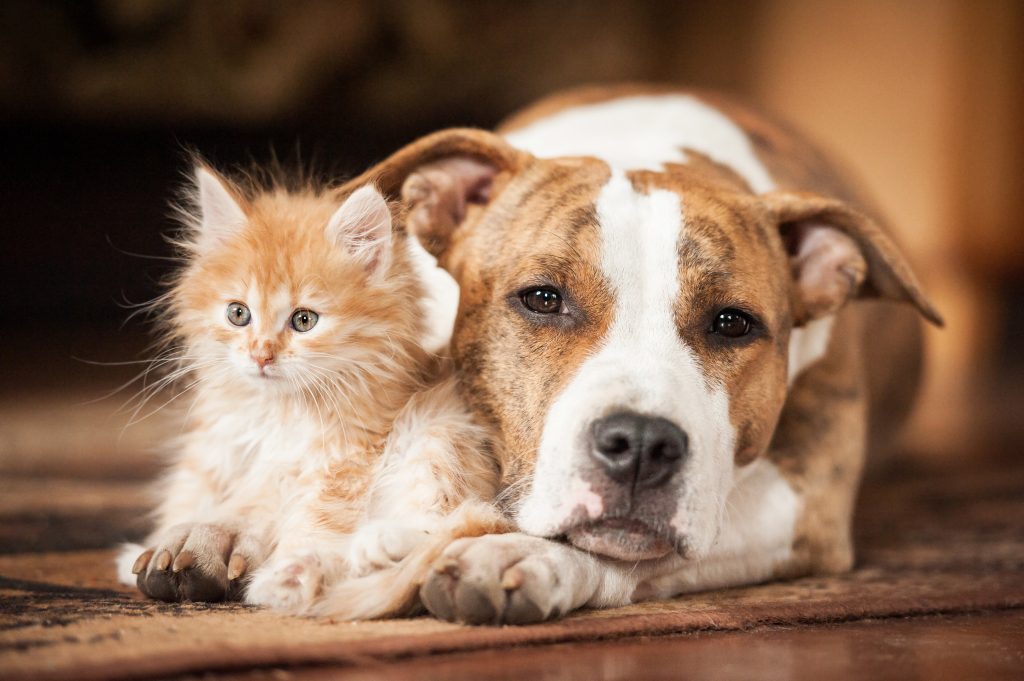
Adult pets are different. If your dog or cat was already altered before coverage began, the insurer will not reimburse you later for that past expense. That is not a pre-existing condition issue exactly, it is more basic.
What pet insurance companies offer
In 2026, several insurers may offer routine-care options that include some form of spay and neuter coverage, but you need to verify the benefit schedule directly before buying. Terms can change by state, by pet age, and by plan tier.
- MetLife Pet Insurance, with optional preventive care options
- Embrace, which is often compared for wellness rewards style benefits
- Pets Best, which may offer wellness add-ons in some markets
- Fetch, which may offer routine-care options depending on state availability
- Lemonade, which offers preventive-care options in some cases
- Pumpkin Pet Insurance, which may bundle preventive benefits
MarketWatch and other comparison sites often list these brands as examples, but the smart move is to compare the actual spay/neuter dollar allowance, the cost of the add-on, and the other routine-care benefits you will use.
A wellness package is most valuable when it helps with more than one bill.
If insurance does not cover neutering, how can you save?
Low-cost spay and neuter clinics, shelters, and nonprofit programs are often cheaper than buying insurance just for the procedure. Local humane societies and county programs may offer the best pricing.
You can also compare Banfield wellness plans or ask your vet about bundled pricing for exams, anesthesia, medications, cones, and follow-up visits to reduce total costs.
How much is neutering a dog with insurance? Usually you still pay part of the bill yourself. If the surgery costs $300 to $500 and your wellness plan reimburses only $100 to $150, you pay the rest.
Does insurance cover a dog neutered? Usually not under a base policy. If you want help paying for it, look for a wellness plan or preventive care add-on that specifically lists spay and neuter benefits.
Before you book the surgery, call the insurer and ask for the exact 2026 spay/neuter benefit amount, the waiting period, and whether you can use any remaining routine-care allowance for vaccines or exams in the same year.
That one phone call can tell you whether insurance is worth it, or whether a low-cost clinic will save you more money.